PH Advisory brings the experience we have built in independent audit and tax audit to companies’ management and control structures. We get to the root of the problems we see every day in our audits, and design and implement lasting solutions together with your company.
Building the structures that make growth last
Three service areas, one goal: institutionalization and sustainable growth.
01
Change and continuity in family businesses Generational transition, family constitution, governance structure and succession planning
02
Internal control Process and risk analysis, control design, testing and improvement planning
03
Financial planning Budgeting, rolling forecasts, cash flow, scenario analysis and management reporting
Change and continuity in family businesses
Generational transition is the most critical period for a family business. Transferring the founder’s knowledge, relationships and decision-making authority to the next generation and to professional management in a planned way protects both the value of the company and the unity of the family. An unplanned transition, by contrast, often leads to a vacuum of authority, shareholder disputes and loss of value.
A family business is managed where three areas meet
Family Values, roles and rules for family members working in the company. Key question: Who joins the company, and on what terms?
Management Professional management, authority and responsibilities, performance. Key question: Who makes decisions, and how?
Ownership Share transfers, profit distribution, shareholder rights, exit. Key question: How are shares transferred and valued?
The family constitution and governance structure tie these three areas together.
A planned generational transition in five steps
01
Current state Analysis of the family, management and ownership structure
02
Family constitution Values, roles, employment and profit distribution rules
03
Governance Board of directors, family council, authority matrix
04
Succession plan Identifying candidates, development plans, mentoring
05
Transition and monitoring Phased handover and regular review
Common risks and the tools that address them
Risk
Solution
Unclear roles and authority
Organizational structure and authority matrix
Family and company finances intertwined
Shareholder current account and profit distribution policy
Dependence on the founder
Succession plan and professional management
Disputes between shareholders
Shareholders’ agreement and exit mechanisms
Internal control
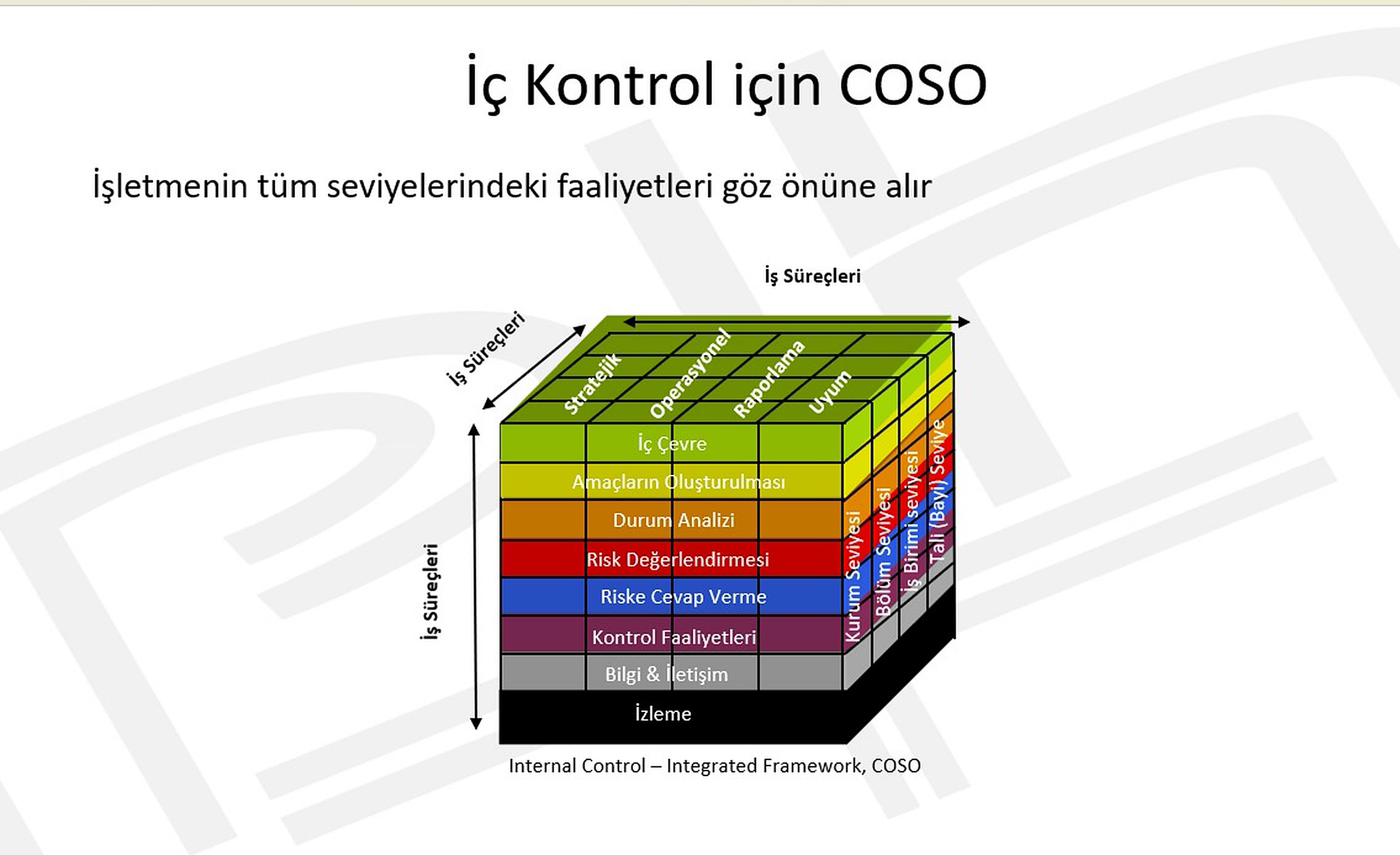
An effective internal control system protects assets, ensures the reliability of financial reporting and supports regulatory compliance. In growing companies, the risk of error and fraud rises unless processes that depend on individuals are turned into written, testable controls.
An internationally recognized framework: the five components of COSO internal control
01
Control environment Ethical values, governance, authority and responsibility
02
Risk assessment Identifying and analyzing risks to objectives
03
Control activities Approvals, segregation of duties, reconciliations
04
Information and communication The right information reaching the right people on time
05
Monitoring activities Ongoing and periodic evaluations to oversee how the other four components work and to remedy deficiencies
The Three Lines Model: who is responsible for what?
The board of directors and the audit committee are responsible for oversight and accountability.
First line: Operational management Runs the processes, owns the risks and applies controls day to day.
Second line: Risk and compliance Risk management, compliance and internal control functions; provides expertise and monitoring support to the first line.
Third line: Internal audit Provides assurance on the effectiveness of controls, independently of management.
The independent auditor sits outside the model as an external assurance provider.
Our approach: effective control in four steps
01
Process mapping The flow of critical processes, owners and systems
02
Risk and control matrix Mapping existing controls and gaps to each risk
03
Design and operating effectiveness testing Testing controls on a sample basis
04
Improvement plan Prioritized actions, owners and timeline
The processes we focus on
Purchasing and payments Supplier selection, purchase order approval, invoice and payment controls
Sales and collections Credit limits, pricing approvals, receivables follow-up
Inventory management Counts, valuation and shrinkage controls
Payroll and human resources Joiners and leavers, salary changes, payroll approval
Cash and cash management Bank mandates, payment approval limits, reconciliations
Information technology User access, change management, backups
Financial planning
Financial planning is not a budget prepared once a year and then shelved. It is a continuous cycle that turns strategy into numbers, compares results with plans and prompts management to act in time. Where inflation and exchange rate volatility are high, the speed of this cycle and a scenario-based approach matter even more.
Planning is a cycle that starts again with results
01
Strategy and targets Growth, profitability and investment targets
02
Budget Revenue, expense, investment and financing budgets
03
Forecast A year-end outlook updated as actual results come in
04
Reporting and variance Budget versus actual comparison and the reasons behind it
05
Action Measures and re-planning
Actions feed back into the next period’s targets and forecast.
From a static budget to rolling forecasts
Static annual budget Traditional approach
Rolling forecast Our recommended approach
Update frequency
Once a year
Monthly or quarterly
Horizon
To the end of the financial year
A period that rolls forward with each update
Assumptions
A single scenario, fixed at the start of the year
Base, optimistic and pessimistic scenarios
Value to management
Explains variances after the fact
Anticipates risks and guides action
What we deliver
Budget model A flexible model linking revenue, expense and investment items
Cash flow forecast Weekly and monthly liquidity view
Scenario analysis Exchange rate, inflation and interest rate sensitivities
Management reporting Key performance indicators and a monthly reporting pack
Why work with PH Advisory
Practical, measurable and lasting solutions.
01
Audit experience The control weaknesses and risks we see in independent audits and tax audits form the basis of our recommendations.
02
Regulatory expertise We build in compliance with the Turkish Commercial Code, the Tax Procedure Law, TAS/TFRS and capital markets regulations from the very start of the design.
03
Focused on implementation We do not just hand over a report and leave; we stay with you as actions are implemented and teams are trained.
04
Independence-minded We provide advisory services to our audit clients only within the limits permitted by independence rules.